
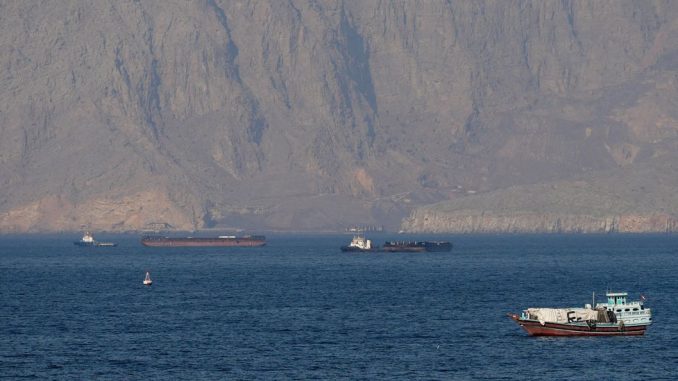
As tensions around the Strait of Hormuz intensify and its blockade continues to be used as a weapon in the US/Israel war with Iran, the global economic fallout could soon extend beyond just crude oil.
The narrow waterway between Iran and Oman handles roughly a fifth of global petroleum shipments. But it is also a critical artery for chemicals, industrial metals, fertilisers and liquefied gases that underpin global manufacturing and food production.
Here are five key commodities other than oil which could see major disruption if shipping through Hormuz continues to be restricted or blocked completely by both Iran and the United States.
1) Fertiliser
Fertiliser markets are among the most exposed to a prolonged Strait of Hormuz blockade. Perhaps even more so than crude oil.
Gulf states are major exporters of ammonia, urea and phosphate-based products – all essential for global agriculture. Industry estimates suggest one third of internationally traded fertiliser moves through the Strait.
Analysts say prolonged disruptions could sharply raise farm input costs and reduce crop yields in importing nations across Asia, Africa and Latin America.
Nitrogen fertilisers are especially vulnerable because they depend heavily on natural gas supplies from the Gulf. One fifth of the world’s liquified natural gas passes through the Strait.
The United Nations has already warned that interruptions to fertiliser shipments could worsen food insecurity in vulnerable regions. The Horn of Africa and South Asia are likely to be hit particularly hard.
2) Methanol
It used to be that the biggest danger to global methanol supplies was how quickly a chemical plant could repair a leaking methanol pipe. But now exports are being impacted by the Strait of Hormuz blockade.
Methanol is a key industrial chemical used in plastics, paints, construction materials and fuel blending. Produces in Iran, Saudi Arabia, Qatar and the UAE account for a substantial share of global methanol trade.
Shipping interruptions have already affected cargo movements. In April, the Chinese vessel Rich Starry was carrying approximately 250,000 barrels of methanol from the UAE when it was forced to turn back by the US Navy as part of President Trump’s blockade of the Strait.
According to Reuters, the intervention was made because Rich Starry and its owner Shanghai Xuanrun Shipping are under US sanctions for dealing with Iran.
Chemical market analysts estimate that a prolonged one-month Hormuz disruption could stall millions of tonnes of methanol and other gas-based chemical exports.
3) Sulphur
Sulphur is less visible to consumers but vital to fertiliser manufacturing, metal processing and industrial chemicals. Roughly 44 percent of globally traded sulphur reportedly passes through Hormuz-linked routes.
Disruptions are already rippling into downstream industries. Sulphur shortages can constrain sulphuric acid production, a critical ingredient in phosphate fertilisers and copper processing.
Analysts warn that prolonged supply interruptions to sulphur could tighten global industrial supply chains and raise manufacturing costs.
4) Aluminium
The Gulf region has become a major aluminium production hub over the past two decades. Smelters in the UAE, Bahrain, Oman and Qatar export large volumes to Europe and Asia. The region now accounts for roughly 20 percent of global aluminium exports.
A long-term blockade of the Strait would threaten shipments of both raw aluminium and alumina feedstocks. Potentially increasing costs for carmakers, aerospace firms and construction companies.
Traders of aluminium have already reported price volatility tied to fears of prolonged shipping disruption and its impact on supply chains.
5. Helium
Helium is not just an essential component for making birthday balloons float or turning your voice squeaky. It has far more serious uses in MRI scanners, semiconductor manufacturing and space technology.
Qatar is one of the world’s biggest helium exporters. Much of its output depends on liquified natural gas linked processing. And as already noted, 20 percent of global LNG supplies pass through Hormuz.
The impact on helium supplies is made particular acute because helium is difficult to store and transport over long periods. Meaning even short, minimal supply disruptions create shortages.
Some helium distributors have already begun rationing sales and deliveries amid fears of prolonged instability in the region.
Strait of Hormuz blockade poses a wide economic threat
Economists warn that Iran and the US using a Strait of Hormuz blockade as a tool in their war will trigger a much broader commodities shock beyond an energy crisis.
Crude oil does at least have ways to bypass the Strait of Hormuz. Saudi Aramco have tripled exports through their East-West pipeline across Saudi Arabia, enabling global exports to continue via the Red Sea.
Diverting chemicals like methanol, sulphur and helium away from the Strait of Hormuz is much more difficult, if not impossible.
A prolonged blockade may also lead to global inflation. Rising shipping insurance costs, rerouted cargoes and shortages of industrial feedstocks will feed inflation across sectors ranging from agriculture to electronics.
Whilst governments and international organisations maintain strategic petroleum reserves for oil emergencies, many of these other commodities lack equivalent buffers. Leaving global supply chains more vulnerable if tensions continue – or even worse, escalate further.
Leave a Reply